 Ultimate Guide to adidas Shoes: History, Technology, Styles, and Buying Tips
adidas is one of the most recognizable names in athletic footwear, known for blending performance, style, and innovation. Whether you are a runner, a casual sneaker enthusiast, or someone looking for a versatile everyday shoe, adidas offers a wide range of models to suit different needs. This guide provides a comprehensive look at adidas shoes, covering the brand’s heritage, key technologies, popular collections, how to choose the right pair, and best practices for care and sustainability.
Founded in 1949 by Adolf "Adi" Dassler in Herzogenaurach, Germany, adidas began as a small workshop producing handcrafted athletic shoes. The iconic three‑stripe logo was introduced early on as a mark of quality and durability. Throughout the 1950s and 1960s, adidas gained global recognition by supplying footwear for Olympic athletes and football teams. The 1970s saw the launch of the legendary adidas Superstar, originally designed for basketball but quickly embraced by the hip‑hop community. In the 1980s, the adidas Gazelle and adidas ZX series expanded the brand’s casual appeal. The turn of the millennium marked a shift toward high‑tech performance shoes, culminating in innovations like Boost cushioning and Primeknit uppers. Today, adidas continues to balance sport‑driven performance with fashion‑forward designs.
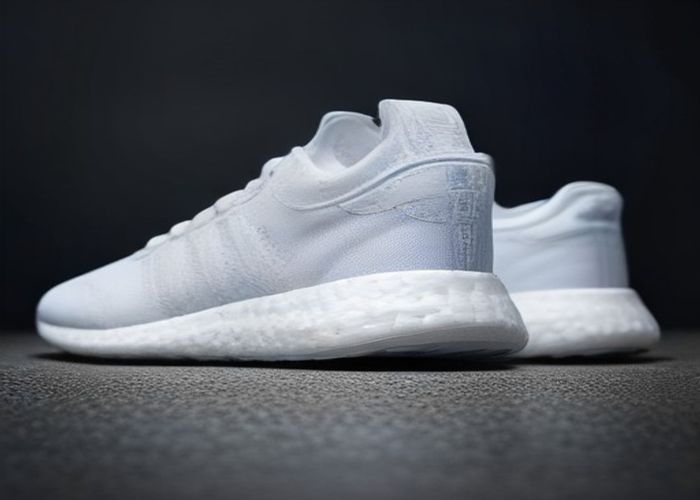
Boost is a responsive midsole technology created from thousands of TPU (thermoplastic polyurethane) capsules fused together. The result is a soft yet springy feel that returns energy with each step, making it popular among runners and lifestyle wearers alike. Boost is featured in models such as Ultraboost, Pure Boost, and the newer adidas Solarboost series.
Primeknit is a seamless, knitted upper that provides a sock‑like fit while reducing weight. The construction allows for targeted stretch and support zones, enhancing comfort without sacrificing durability. Primeknit is used in the NMD, Ultraboost, and many training shoes.
In partnership with Continental, adidas integrates a high‑traction rubber outsole that offers superior grip on wet and dry surfaces. This technology appears on many running and outdoor models, delivering reliable traction for varied conditions.
adidas collaborates with Parley for the Oceans to turn reclaimed marine plastic waste into performance yarns. Shoes built with Parley materials, such as the adidas UltraBOOST Parley, help reduce plastic pollution while maintaining high performance.
Different adidas models excel in specific activities. For example, runners typically benefit from Ultraboost or Solarboost for cushioning and energy return, while casual wearers might prefer NMD or Superstar for style and everyday comfort. If you need a shoe for training, look for models with a stable platform and responsive midsole, such as the adidas Adizero line.
adidas shoes generally run true to size, but variations exist across models. Primeknit uppers tend to stretch and conform, making them forgiving for narrow feet. Wider feet may find a better fit in models with a more structured upper, like the adidas Pureboost or Terrex series. Always try shoes on at the end of the day when your feet are slightly swollen to ensure a realistic fit.
If you prefer a plush, cushioned ride, Boost‑based shoes are the go‑to choice. For a firmer feel, look for adidas shoes that incorporate Lightstrike or Adiprene foam, which provide a quicker ground feel while still offering protection.
Many adidas shoes double as fashion pieces. Classic silhouettes such as Superstar, Stan Smith, and Gazelle pair well with casual outfits, while newer designs like the NMD or Ultraboost can transition from gym to street. Consider colorways and material finishes that match your wardrobe.
adidas offers a range of price points. Entry‑level models like the adidas Duramo or Cloudfoam series provide basic comfort at an affordable price. Mid‑range options include the Ultraboost and NMD lines, while premium releases—often limited editions—can command higher prices.
To ensure the best fit, follow these steps:
Proper care extends the life of your adidas shoes and preserves their appearance. Follow these guidelines:
Even with diligent care, performance shoes lose cushioning over time. A good rule of thumb is to replace running shoes after 300–500 miles (or when you notice a noticeable loss of responsiveness). Lifestyle sneakers can last longer if the outsole remains intact and the upper shows minimal wear.
adidas has committed to reducing its environmental impact through several initiatives:
When shopping, look for tags such as "Primegreen" or "Parley" to support these eco‑friendly efforts.
Most adidas models are true to size, but some styles with a tighter knit (like certain Primeknit models) may feel snug initially. Checking the specific model’s fit guide is recommended.
Absolutely. Boost cushioning provides comfort for everyday activities, and many casual silhouettes—such as the NMD and Ultraboost—are designed with style in mind.
While some adidas shoes are versatile, it’s best to match the shoe to the primary activity. Running shoes prioritize cushioning and shock absorption, whereas training shoes often have a flatter sole for stability during lifts.
adidas labels the material on the product page. Look for terms like "Primegreen," "Parley," or "Recycled Polyester" in the description.
Wear them for short periods indoors before using them for longer activities. This allows the upper to conform to your foot shape without causing discomfort.
adidas shoes offer a blend of heritage, cutting‑edge technology, and style that appeals to athletes and fashion lovers alike. By understanding the brand’s history, key technologies such as Boost and Primeknit, and the distinct characteristics of popular models, you can make an informed decision that matches your performance needs and aesthetic preferences. Remember to consider fit, activity, and sustainability factors when selecting a pair, and follow proper care routines to extend the life of your shoes. With the right knowledge, your next adidas purchase will be a confident step toward comfort, performance, and lasting style.







💬 Comment Section